


Inverter Technologies: Compare Off-Grid, On-Grid, and Hybrid Systems
2025-01-07
Inverter technology plays a critical role in modern solar power systems. It converts the direct current (DC) generated by solar panels into alternating current (AC) used by electrical devices. Solar inverters come in three main types: off-grid, on-grid, and hybrid. Each type suits different needs and scenarios, making it essential to understand their features before investing in a solar power system.
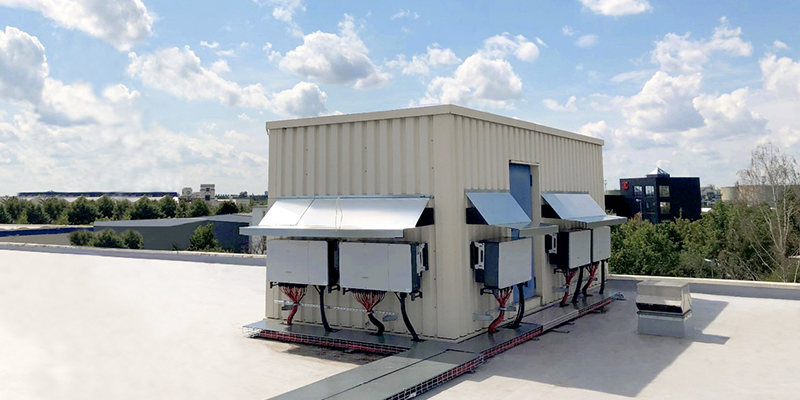
What is a Solar Inverter?
A solar inverter is a device that ensures solar power systems deliver usable electricity. It manages the energy flow between solar panels, storage batteries, and the grid. The inverter is essential for optimizing energy efficiency, ensuring compatibility with appliances, and enabling advanced functionalities like net metering. Without a reliable inverter, a solar power system cannot function effectively.
Types of Solar Inverters
1. On-Grid Solar Inverter
An on-grid solar inverter connects directly to the utility grid. It synchronizes the solar system with grid electricity and exports excess energy.
Advantages
On-grid systems are cost-effective. They reduce electricity bills and enable net metering, where users get credited for the energy they supply to the grid. This setup is ideal for urban areas with stable grid access.
Disadvantages
On-grid inverters cannot function during power outages because they rely on the grid. This limitation makes them unsuitable for areas with frequent blackouts.
2. Off-Grid Solar Inverter
An off-grid solar inverter works independently of the grid. It uses batteries to store energy for later use.
Advantages
Off-grid systems provide energy independence. They are ideal for remote areas without grid access. These inverters ensure a steady power supply even during outages.
Disadvantages
Battery storage increases costs significantly. Users may need to manage their energy usage carefully, as the system's capacity depends on the battery size.
3. Hybrid Solar Inverter
A hybrid solar inverter combines the features of on-grid and off-grid systems. It connects to the grid while also managing battery storage.
Advantages
Hybrid systems offer flexibility. They ensure backup power during outages and support net metering when the grid is available. Users can optimize energy use by storing excess energy or selling it to the grid.
Disadvantages
Hybrid inverters have a higher upfront cost due to their advanced features. The installation process is also more complex compared to other types.
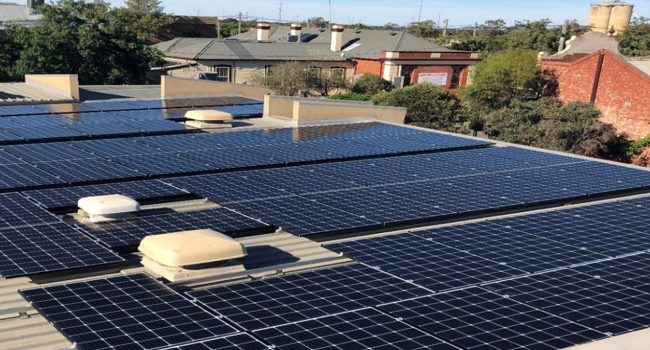
Comparison: On-Grid vs. Off-Grid vs. Hybrid
Choosing the right solar inverter depends on factors like cost, efficiency, installation, and intended use.
Cost
On-grid systems are the most affordable, while hybrid systems are the most expensive due to battery integration. Off-grid systems fall in the middle, depending on battery capacity.
Efficiency
On-grid systems are highly efficient in areas with consistent grid access. Off-grid systems depend on battery quality, while hybrid systems balance efficiency with versatility.
Installation
On-grid systems are easier to install as they do not require batteries. Off-grid and hybrid systems need additional components, making their installation more complex.
Use Cases
On-grid inverters are best for urban areas with stable power supply. Off-grid inverters suit rural or remote locations without grid access. Hybrid inverters are ideal for users seeking both flexibility and backup power.
Spotlight on Sungrow
Sungrow is a leading provider of solar inverters, offering innovative solutions across all three categories: on-grid, off-grid, and hybrid systems. The company’s products are known for their high efficiency, durability, and advanced features.
1. On-Grid Solutions
Sungrow’s on-grid inverters deliver reliable performance and support smart grid connectivity. They enable seamless energy export and are compatible with net metering.
2. Off-Grid Solutions
Sungrow provides off-grid inverters with robust battery management systems. These inverters are designed to maximize energy storage and ensure long-lasting performance.
3. Hybrid Solutions
Sungrow’s hybrid inverters combine cutting-edge technology with user-friendly interfaces. They offer advanced energy management, allowing users to optimize energy flow between solar panels, batteries, and the grid.
With a global presence and a strong focus on research and development, Sungrow stands out for its commitment to quality and sustainability.

Conclusion
Solar inverter technology is a cornerstone of renewable energy systems. On-grid, off-grid, and hybrid inverters serve different needs, making it crucial to choose the right solution. Companies like Sungrow lead the way with innovative products that meet diverse energy requirements. By understanding the options available, you can make informed decisions that support your energy goals and contribute to a sustainable future.