


Integrating Commercial BESS with Solar and EV Charger: Benefits and Considerations
2025-01-07
As electric vehicle (EV) adoption accelerates globally, the demand for reliable and efficient EV charging infrastructure is rising. Integrating solar energy with Battery Energy Storage Systems (BESS) is a sustainable solution that offers operational and financial advantages for commercial EV charging. This article explores the role of commercial BESS in enhancing EV charging systems and the specific benefits offered by Sungrow beyond charging solution.
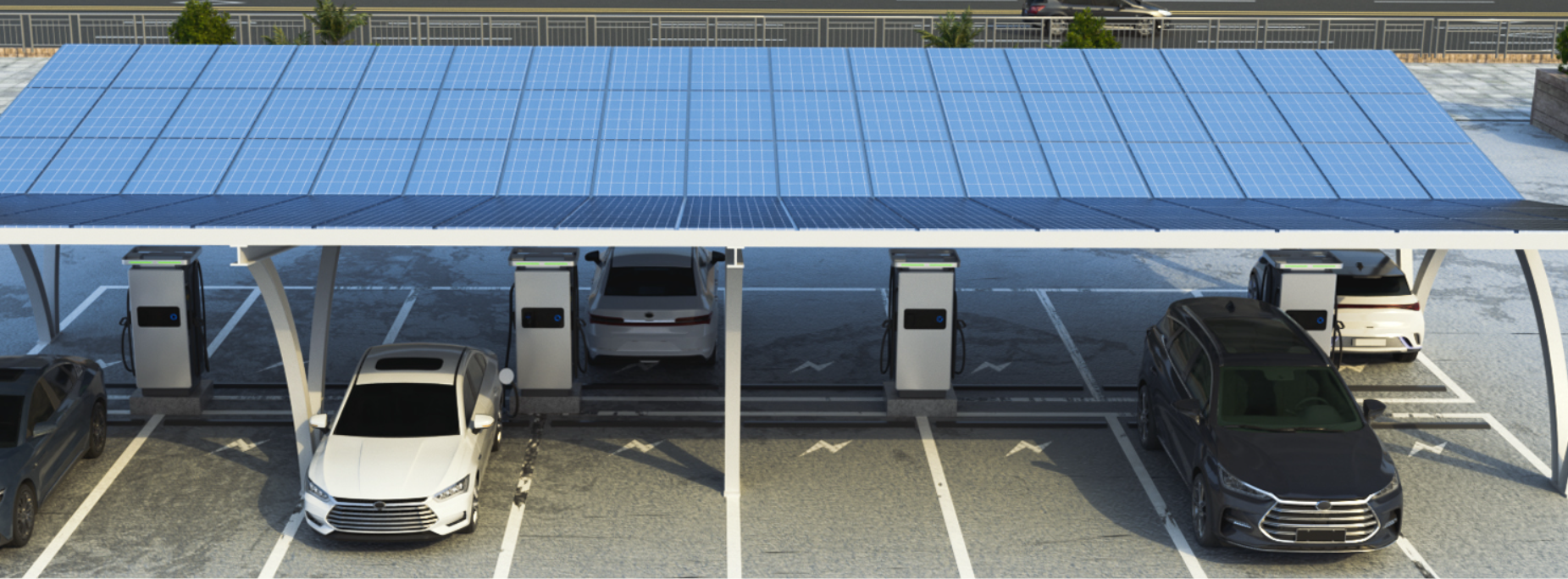
What is Commercial BESS?
BESS is advanced energy storage solutions that store electricity for future use. In commercial settings, BESS offers several key features:
Energy Management: BESS enables energy storage during periods of low demand and usage during high demand, optimizing energy efficiency.
Flexibility: They can integrate with renewable energy sources like solar and wind, providing a more sustainable energy supply.
Peak Shaving: By discharging stored energy during peak hours, BESS helps reduce electricity costs and relieve grid strain.
In EV charging, commercial BESS is a game-changer, enabling stations to operate efficiently even under fluctuating demand or unreliable grid conditions.
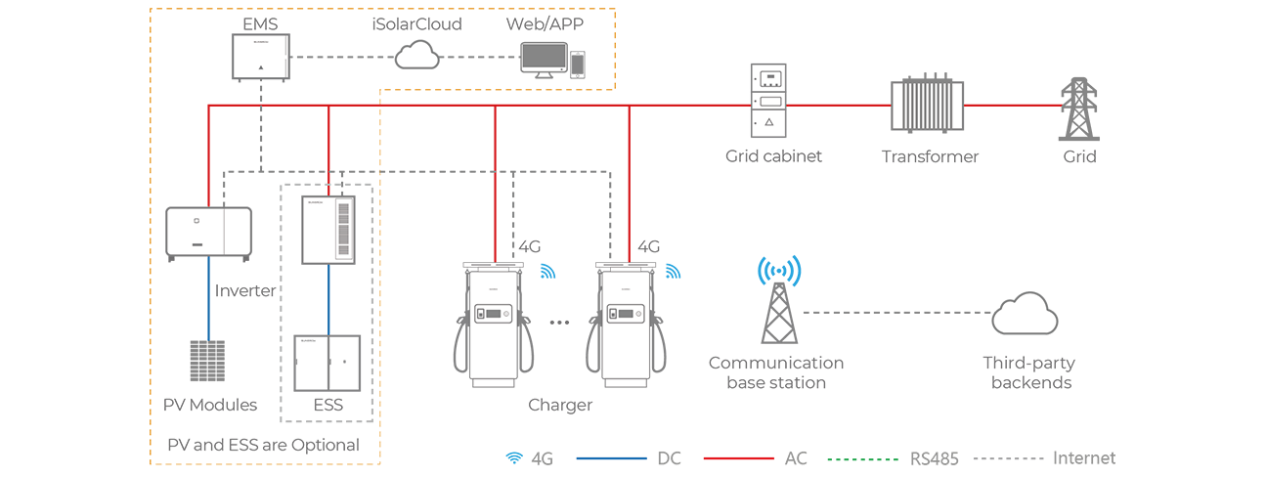
How BESS Enhances EV Charging Stations
1. Load Management
BESS can manage power demand by smoothing out load fluctuations. This is particularly valuable for EV charging stations, where energy demand can spike when multiple vehicles charge simultaneously. By providing energy directly from the storage system, BESS prevents overloading and ensures consistent performance.
2. Energy Cost Savings
Using stored energy during peak hours helps operators save on electricity costs, as peak-hour energy prices are significantly higher. By leveraging time-of-use rates, BESS systems optimize energy expenditures.
3. Grid Stability
BESS balances energy consumption and reduces stress on the electrical grid, particularly when integrated with renewable energy sources like solar panels. This not only stabilizes the grid but also supports cleaner energy transitions.
4. Renewable Integration
Solar power generation is intermittent, but BESS can store excess solar energy generated during the day for use during nighttime charging or cloudy days. This makes solar-powered EV charging stations more reliable and environmentally friendly.
Key Challenges and Considerations
1. Initial Investment
Installing a BESS system involves higher upfront costs, including purchasing batteries, integrating systems, and installing infrastructure. However, the long-term savings and efficiency gains often justify the investment.
2. System Compatibility
Ensuring seamless integration between BESS, EV chargers, and renewable energy systems requires robust software and hardware compatibility. Using standardized protocols like OCPP (Open Charge Point Protocol) can address this challenge.
3. Regulatory Compliance
Operators must adhere to local regulations governing energy storage, renewable energy use, and EV charging. Staying informed about evolving policies is essential to avoid penalties and ensure smooth operations.
4. Maintenance and Management
BESS systems require regular monitoring and maintenance. Advanced features like remote diagnostics and software updates (e.g., OTA upgrades) help minimize operational disruptions and maintenance costs.
Sungrow’s EV Charging Solution with BESS and PV
Sungrow has developed a beyond charging solution that combines solar energy, BESS, and advanced EV charger. This solution delivers exceptional energy efficiency, user-friendly design, and future-ready capabilities.
High Efficiency
The EV charger of this solution achieves energy conversion efficiency of up to 96.5%.
Independent power unit design ensures reliable performance.
Integrates seamlessly with PV + ESS systems to maximize energy savings.
User-Friendly Design
Durable cable management and accessible design improve usability.
Supports multiple authentication options, including RFID cards, apps, and credit cards.
Features patent-protected cooling technology that extends component life and lowers total cost of ownership.
Safety and Reliability
Equipped with dynamic load balancing (DLB) and dynamic load management (DLM) to prevent overloading.
The EV charger features IP65-rated protection and C5 anti-corrosion, suitable for harsh environments.
Low-maintenance design with no dust filters required.
Future-Proofed Technology
Compatible with OCPP 1.6 and pre-adapted for OCPP 2.0, ensuring integration with third-party platforms.
Intelligent energy management using EMS + AI algorithms to reduce grid impact and optimize capacity.
Off-grid operation capability enhances charging reliability during grid outages.
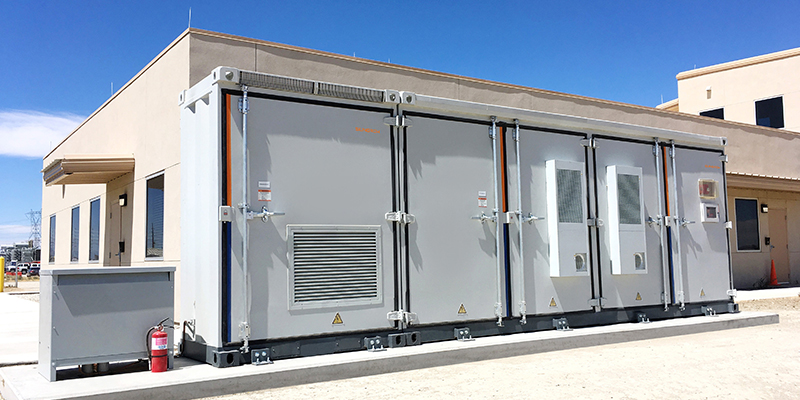
Conclusion
Integrating solar energy with BESS in EV charging stations is an effective strategy to address the growing demand for sustainable and reliable charging solutions. Sungrow’s advanced 180kW DC public charging solution exemplifies how cutting-edge technology can drive operational efficiency, reduce costs, and support clean energy goals.
By prioritizing innovation and user-centric design, Sungrow stands out as a leader in the renewable energy and EV charging sectors. To learn more about how Sungrow can revolutionize your EV charging infrastructure, visit their website or contact their team of experts.