
PV Inverter
Energy Storage System
EV Charger
Floating PV System
Wind Products
Hydrogen Equipment
Smart Energy Products


When power cuts happen repeatedly, the questions for a household are practical: will the refrigerator stay on, will the air conditioner keep running, and can the family continue working or studying online? For homes and small businesses in Southeast Asia facing frequent outages, a hybrid inverter with battery storage and a properly configured backup output can help keep essential loads supplied. This guide explains seven features to check when choosing that system, including for locations where unstable grid conditions accompany the outages.
Solar panels alone do not guarantee power during a blackout. A standard grid-tied inverter stops supplying power when the public grid fails, so it cannot feed electricity into utility lines that may be under repair. This is a safety function, not a deliberate pause after which an ordinary solar system resumes powering the home. Even in full sun, the home needs a separate, correctly configured backup supply to keep selected appliances running.

Figure 1. Conceptual comparison of a three-phase villa and a
street-front shop with different backup loads.
A hybrid inverter configured for backup separates the home's backup circuits from the public grid during an outage, then supplies those circuits using the battery and available solar power. The two actions serve different purposes: disconnecting from the public grid prevents electricity from flowing into utility lines, while supplying the isolated backup circuits keeps power available inside the property. MGTL backup operation follows this separation, so continued power to the home does not mean continued power export to the failed grid. The appliances that remain supplied depend on the backup wiring, available battery energy and system capacity.
A hybrid inverter needs a battery, a backup output and a configuration that can supply the selected loads when the grid fails. The seven specifications below help compare systems for that purpose.
Seven Specifications to Compare for Frequent Outages
1. Backup switchover speed
Backup switchover time describes how long connected backup circuits may be without power as the inverter moves from grid-tied to off-grid operation. Equipment varies in its tolerance for interruptions, so compare the published transfer time with the needs of critical loads such as networking equipment, computers and refrigeration controls. MGTL specifies 0 ms on/off-grid switching; actual continuity also depends on the configured backup circuit, available battery power and load limits.
Check: the published switchover time against the interruption tolerance of appliances on the backup circuits.
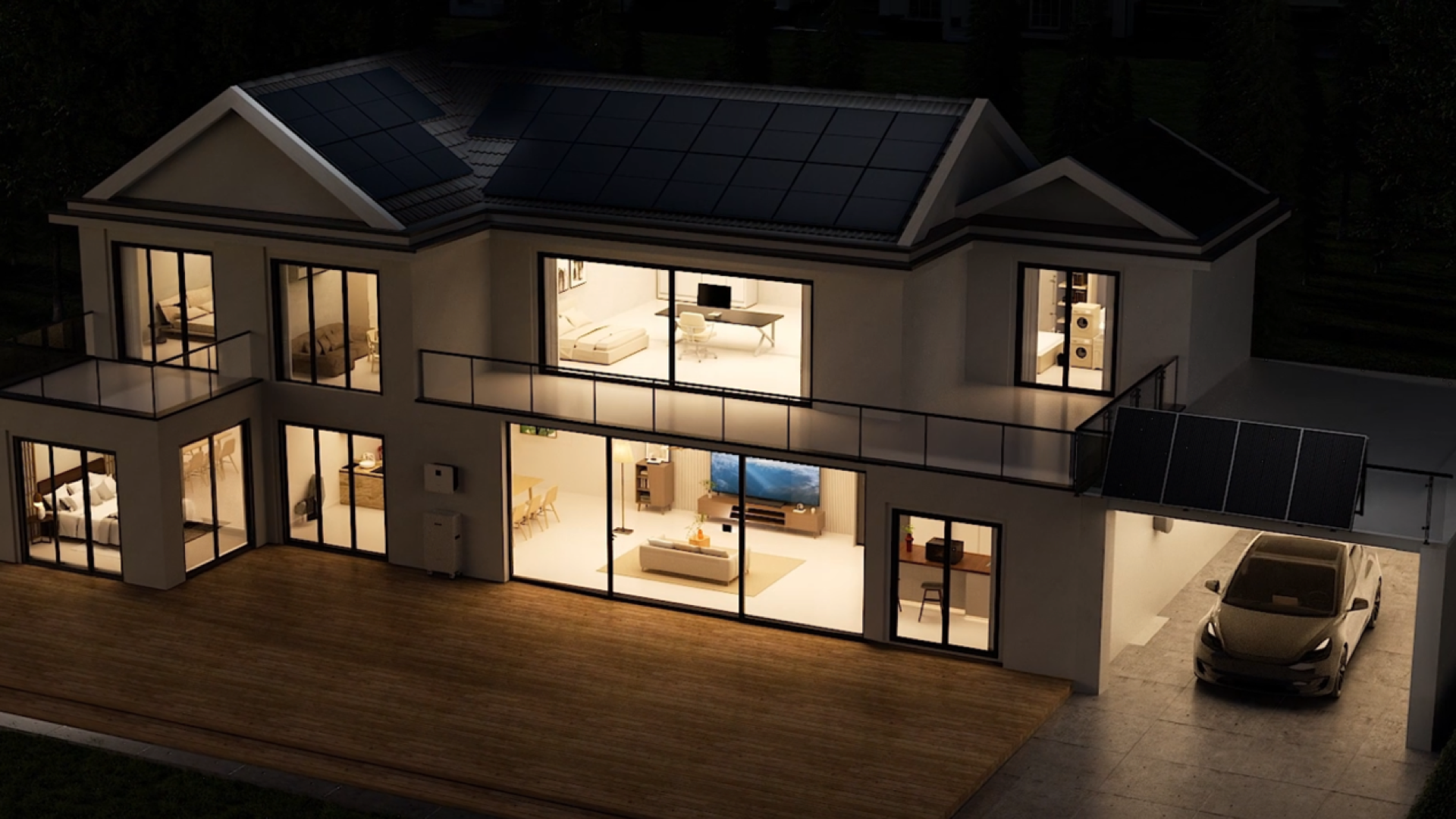
Figure 2. The MGTL product page presents seamless on/off-grid
switching for backup continuity.
2. Surge and overload capability
Motor-driven appliances may draw substantially more current at startup than while running. An air-conditioning compressor, deep-well pump or commercial chest freezer can require a short burst of power. Compare each load’s starting current and any simultaneous starts with the inverter’s published short-duration overload and battery output limits.
Check: compare the published short-duration AC overload rating with the loads’ startup demand. MGTL offers up to 200% AC overload capacity for 10 seconds.
3. Unbalanced three-phase output
Three-phase properties almost never load their phases evenly. An EV charger, a pool pump or a single large air conditioner can sit entirely on one phase. If the inverter can only deliver its rated power evenly across all three, that one heavy phase will force a derate or a trip while the other two sit idle.
Check: the selected model’s published unbalanced-load capability and per-phase power limits against the actual phase loads.
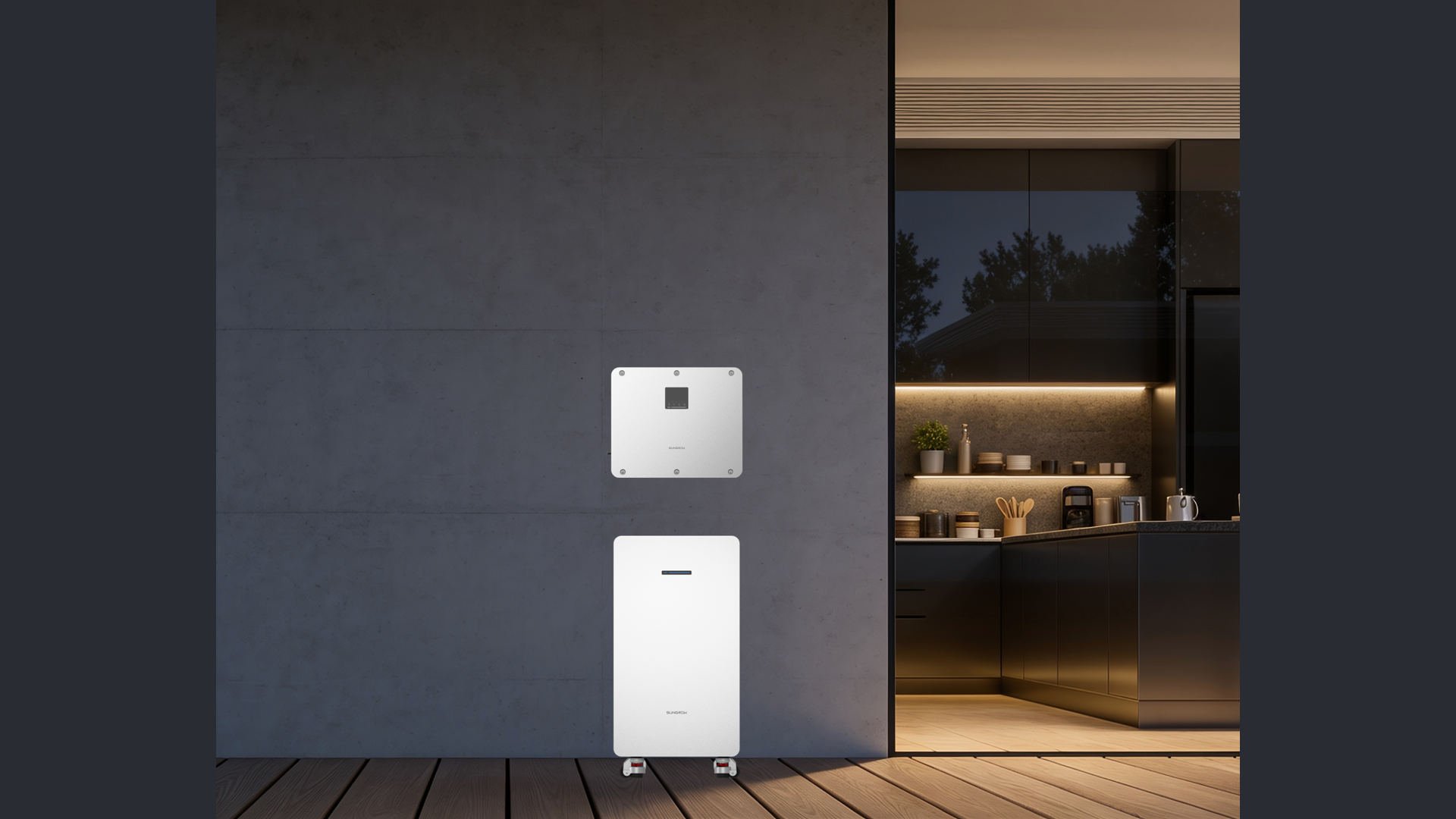
Figure 3. The MGTL product page highlights three-phase
unbalanced-load capability.
4. Battery charging speed and PV input
In an area with frequent outages, battery recovery matters. Compare the inverter’s maximum battery charge and discharge current with the compatible battery’s own limits, and check how much PV capacity the inverter accepts relative to rated AC output. Solar conditions, battery state and concurrent loads determine how quickly backup reserve can be restored.
Check: battery charge and discharge limits, allowed PV oversizing, and string voltage and current compatibility with the proposed battery and panels.
5. Environmental durability
Southeast Asian installations may face heat, humidity, monsoon rain and salt-laden air,
particularly near the coast. IP66 is an enclosure rating for dust and water ingress; corrosion protection should be assessed separately. C5 corrosion protection can be valuable for coastal or other high-corrosion environments, depending on the site’s exposure and the manufacturer’s installation guidance. The MG10TL, MG12TL and MG15TL also use a fanless design where quiet operation is valued.
Check: ingress and corrosion ratings suitable for the installation site, plus model-specific noise and cooling design.
6. Scalability
Loads can grow. A household that adds an EV, heat pump or second air conditioner may need more storage or inverter capacity, depending on how those loads are used. Before buying, check whether compatible battery capacity can be expanded and whether the selected inverter models support parallel operation.
Check: compatible battery expansion and whether the selected inverter models support parallel operation.
7. Warranty, service and safety functions
Service availability and warranty terms matter for systems used frequently for backup. Compare the warranty offered in the installation market, local office or distributor coverage, available arc-fault protection (AFCI) and anti-PID functions, and remote monitoring support. Confirm the protection functions on the selected model and the local support terms in writing.
Check: market-specific warranty coverage, safety and monitoring functions, and access to local service.
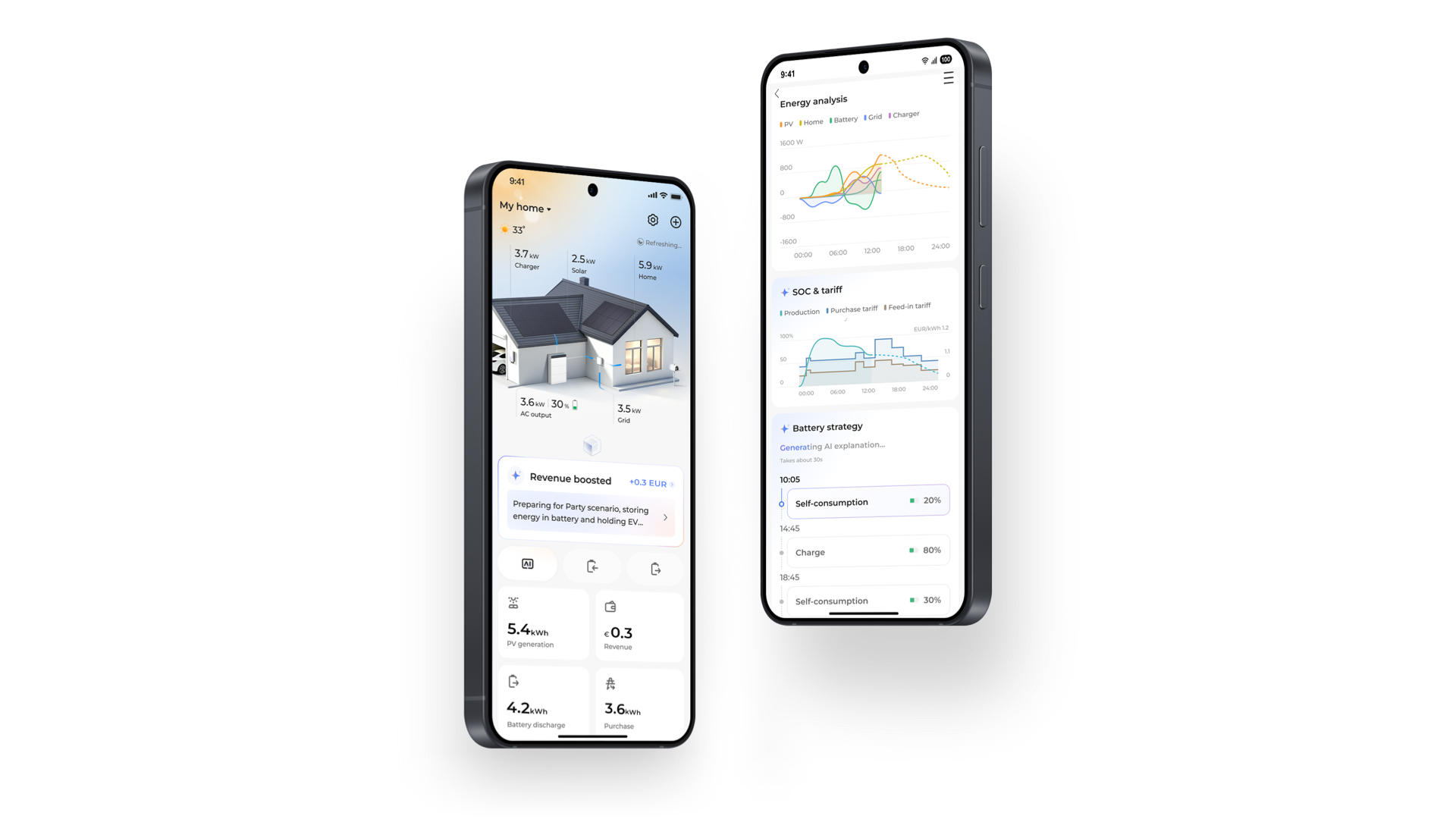
Figure 4. Remote monitoring through iSolarCloud supports ongoing
system service.
Matching the Criteria to Southeast Asian Homes and Small Businesses
Case A: a three-phase villa
A larger detached home on a three-phase supply may have central or multi-split air conditioning, a water pump, a home office, security and networking equipment, and an EV charger spread across the phases. For this home, key checks are transfer time, motor-starting capacity and per-phase load allowance. An installer should confirm that the backup circuit can keep selected networking and security loads running, start compressors or pumps where required, and supply any large single-phase load without exceeding the chosen model’s limits.
MGTL solution for this home: paired with a suitably sized battery and correctly wired backup circuits, the Sungrow MGTL combines 0 ms on/off-grid switching with up to 200% AC overload capacity for 10 seconds to support backup continuity and motor startup. Its model-dependent unbalanced-load capability of up to 200% helps accommodate uneven loads across the three phases. The installer should check the selected model’s per-phase and total backup limits against the air conditioners, pumps and other appliances that must operate together.
Case B: a street-front shop or restaurant
For a small commercial property, an outage can cause lost revenue and, where refrigeration is involved, stock loss. Chest freezers and display chillers may restart under load, while lighting and the POS terminal are often priority circuits. Criteria 1 and 2 remain relevant; criterion 4 deserves close attention when interruptions are frequent, because the battery may need to recover before the next outage. Criterion 5 also matters for exposed or coastal premises.
MGTL solution for this business: 0 ms switching and up to 200% AC overload capacity for 10 seconds can support continuity and motor startup for selected refrigeration, lighting and POS loads. MG10/12/15TL models support up to 330 A battery charge/discharge current, while MG20/25TL models support up to 440 A; up to 250% PV oversizing provides scope for a larger solar array. Together, these features support battery recovery between outages, subject to available solar or grid power and battery limits. IP66 and C5 protection address demanding installation conditions where relevant to the site, while iSolarCloud supports remote monitoring.
Quick Selection Checklist
Before signing a quotation, confirm each of the following in writing:
The published backup transfer time is suitable for the equipment on the selected circuits
The short-duration AC overload rating covers the actual motor-starting demand
Per-phase output is sufficient for the proposed uneven three-phase loads
Battery charging and PV input limits fit the proposed battery and solar array
Ingress and corrosion protection suit the site; check noise by model where relevant
The selected battery and inverter configuration allows the planned future expansion
Warranty terms, safety functions, monitoring and local service are confirmed for the market
Criteria-to-scenario mapping and MGTL fit
# | Criterion and MGTL fit | Three-phase villa | Shop / restaurant |
1 | Switchover speed — MGTL: 0 ms on/off-grid switching. | Critical — | Critical — |
2 | Surge capability — MGTL: Up to 200% AC overload capacity for 10 seconds. | Critical — AC | Critical — |
3 | Unbalanced output — MGTL: Up to 200%; 200% / 180% / 150% by model. | Critical — EV | Important — |
4 | Charge speed / PV input — MGTL: Up to 330 A for MG10/12/15TL; up to 440 A for MG20/25TL; up to 250% PV oversizing. | Important — | Critical — |
5 | Durability (IP66/C5) — MGTL: IP66 and C5 protection; fanless design on MG10/12/15TL. | Important — | Assess local |
6 | Scalability — MGTL: 10–25 kW range; two-inverter parallel support; expandable MBL120/MBL160 | Critical — EV | Important — |
7 | Support and safety — MGTL: Up to 10-year warranty; AFCI 3.0 R, PID Zero and iSolarCloud. | Important — long asset life | Critical — |
How the Sungrow MGTL Measures Against These Criteria
The Sungrow MGTL series, a three-phase hybrid inverter range launched in Vietnam in September 2026 and rolled out across Southeast Asia, is one example of a product designed for frequent outages and unstable grids. The table below brings together the published specifications behind the scenario recommendations above.
# | Criterion | What to compare | Sungrow MGTL (MG10~25TL) |
1 | Switchover | Transfer time | 0 ms on/off-grid switching, up to 63 A backup output current |
2 | Surge and overload | Published short-duration overload rating | Up to 200% AC overload capacity for 10 seconds |
3 | Unbalanced output | Published per-phase limits | Up to 200% unbalanced load capability (200% / 180% / 150% by model) |
4 | Charge speed and PV input | Charging limits and supported PV sizing | Up to 330 A charge/discharge for MG10/12/15TL; up to 440 A for MG20/25TL. Sungrow’s about 1.8-hour figure to 90% charge depends on the configuration. Up to 250% PV oversizing, up to 20 A per string, up to 1000 V PV input |
5 | Environmental | Ingress, corrosion and noise ratings | IP66 and C5 protection; MG10/12/15TL are fanless and operate as low as 35 dB(A). The published noise level for MG20/25TL is 45 dB(A). |
6 | Scalability | Compatible battery and inverter expansion | 10–25 kW across the series, two-inverter parallel support, expandable MBL120/MBL160 battery capacity |
7 | Support, certification, safety | Market-specific warranty, safety, monitoring and service | Up to 10-year warranty, AFCI 3.0 R arc-fault detection (200 m / 40 A), patented PID Zero, |
These seven specifications provide a practical way to compare systems for homes and small businesses facing frequent outages. The Sungrow MGTL series is one option. Match the selected model, battery capacity and backup circuits to appliances needing continuity.
Frequently Asked Questions
What hybrid inverters work well in areas with frequent power
outages?
Choose a hybrid inverter by matching the backup circuits, motor-starting demand, per-phase loads, battery charging needs and local site conditions to the model’s published ratings. Compare transfer time, short-duration AC overload, unbalanced output, battery and PV compatibility, environmental protection, expansion options, warranty terms and local service. The Sungrow MGTL series is one option; the installer should verify the selected model and battery configuration against the project.
Do hybrid inverters work during a blackout?
Only if they are configured for it. A hybrid inverter needs a battery and a backup (EPS) output to supply the property when the grid is down; a hybrid inverter installed without a battery behaves like a grid-tied system and will disconnect. Confirm that a backup port is wired to the loads you actually need — many installations back up a selected circuit group rather than the whole property.
What size hybrid inverter do I need for a three-phase home?
For a three-phase home, compare the Sungrow MGTL's 10 kW, 12 kW and 15 kW options (MG10TL, MG12TL and MG15TL) against the appliances you need to run together during an outage. These three sizes address different household requirements; the wider series also includes 20 kW and 25 kW models for higher load requirements. Ask the installer to size the inverter for simultaneous backup loads, motor startup demand and the load on each phase, and size the battery for the required backup duration. Two-unit parallel support provides an option for future expansion, subject to the installation design.
Is a three-phase hybrid inverter necessary if only part of my load is heavy?
A three-phase supply does not by itself determine the best inverter or backup arrangement. Ask the installer to map critical loads by phase, check the selected inverter’s per-phase limits and published unbalanced-load capability, and confirm that the chosen wiring and battery can supply the required loads during an outage.
Which inverter is best for unstable grids in the Philippines, Vietnam or Indonesia?
No single inverter is best for every site in the Philippines, Vietnam or Indonesia. Compare transfer speed, short-duration overload and unbalanced output against the actual backup loads, then check enclosure and corrosion protection for the installation environment. C5 corrosion protection can be valuable in coastal or other high-corrosion settings, but the appropriate specification depends on site exposure. The Sungrow MGTL series is one option to assess; confirm model availability and service coverage with a local distributor before deciding.